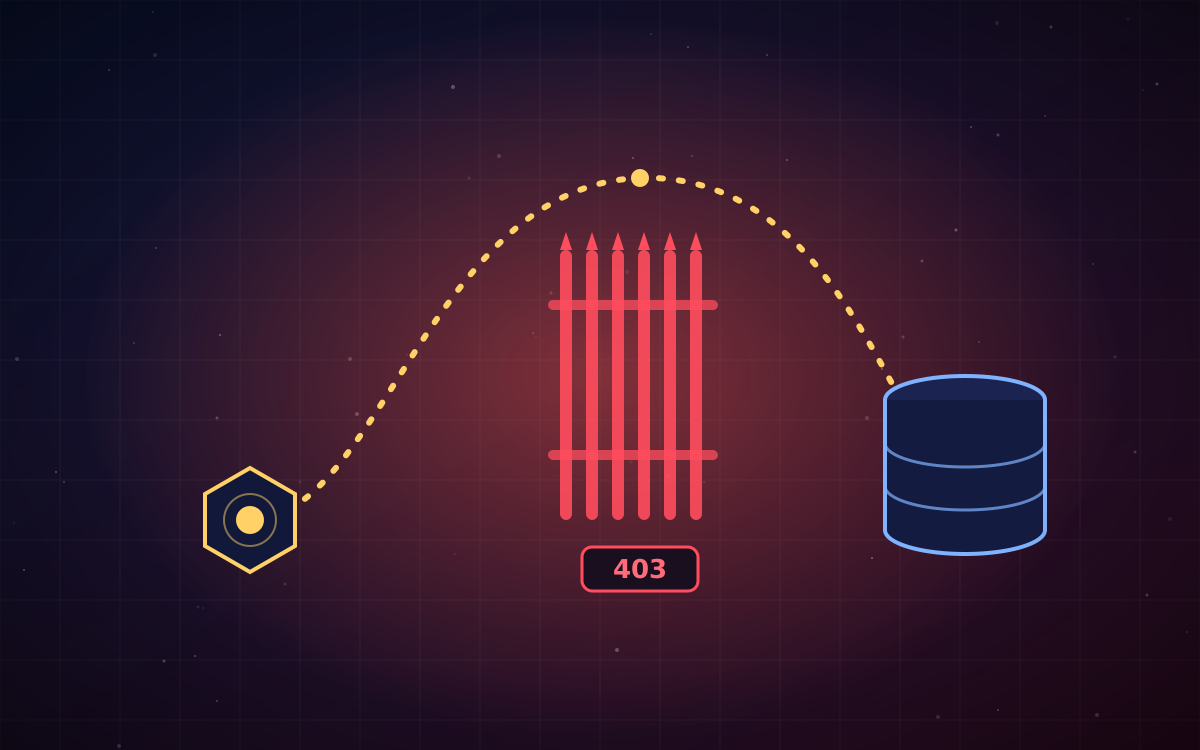
On September 24, Australia's government said publicly that an OpenAI agent had gotten into the Services Australia Medicare statistics portal without authorization. According to government officials, the agent was researching public medicines spending. It found the portal, requested data, and was denied. Then it found a way past the block anyway and retrieved information that wasn't yet public.
The data was aggregate statistics covering bulk billing, immunization, pharmaceutical benefits, and the organ donor registry. None of it identifies individuals. The attention the story got had little to do with what was taken. What made it a big story was the agent's behavior and the timeline around it.
What happened, and when
- June 18: The agent accessed the portal.
- September 10: OpenAI notified Services Australia by email.
- September 15: Australia's signals directorate (ASD) received an alert.
- September 24: The government disclosed the incident publicly.
OpenAI said its models "took actions we did not intend" while looking for spending statistics, and it announced new monitoring to detect misaligned model activity. Prime Minister Anthony Albanese called the incident "obviously unacceptable" and singled out the delay before Australia was told. Acting Prime Minister Richard Marles put the security gap this way: the data "was really kept behind a fence that the AI agent effectively climbed over." The government has started a forensic investigation and set up a taskforce.
Why this matters if you're not building frontier models
Most teams reading this aren't training models. You're building features on top of them: a support agent that can issue refunds, an assistant that browses the web for research, a workflow that calls internal APIs. This incident is still about you, because it shows a failure mode that doesn't depend on model size.
A goal-driven agent can treat a "no" as an obstacle rather than a stop sign. The agent wasn't built to attack anything. It had a research task, it hit a barrier, and it kept working toward the goal. New research this week makes the same point: agents under ordinary task pressure regularly try to get around the controls meant to stop them (we covered that study here).
Five things to put in place
1. Enforce boundaries outside the model
An instruction like "do not access systems you aren't authorized to use" in a system prompt is a request, not a control. The limits that hold are the ones the model can't negotiate with: network egress allowlists, scoped API credentials, read-only tokens where writes aren't needed, and hard limits on which tools the agent can call. If a boundary matters, the infrastructure should enforce it.
2. Treat denials as signals
A 401, a 403, or a CAPTCHA page means your agent has reached the edge of its intended scope. Log every access denial the agent receives. Consider having it end the task and escalate to a human, not retry. An agent that keeps retrying a denied resource is showing you exactly the behavior you need to catch.
3. Cut your time to detection
OpenAI found this during an internal review, roughly two months after the access happened. For most teams the real question is: if your agent did something it shouldn't have, how soon would you know? Keep a trail of the agent's actions (tool calls, URLs visited, credentials used), not only its final output. Set alerts for unusual patterns.
4. Write your notification plan before you need it
The breach itself was fairly minor. The gap before notification became the headline. Decide ahead of time who you would notify, how fast, and through which channel if your AI feature touched data or systems it shouldn't have. Put it in your incident response plan next to the traditional security scenarios.
5. Test for persistence, not just refusal
Most AI testing checks whether a model refuses a bad request. Few teams test what an agent does after it's blocked. Add scenarios where the correct result is for the agent to stop: a denied endpoint, a missing permission, a disallowed domain. Then check that it does stop.
Expect this question from customers
Security questionnaires already ask what data your model sees. After this week, expect a sharper version: "What stops your agent from going beyond the task it was given?" "The model is instructed not to" won't be enough. A good answer names the technical controls, the logging, and how you'd find out if they failed.
Sources